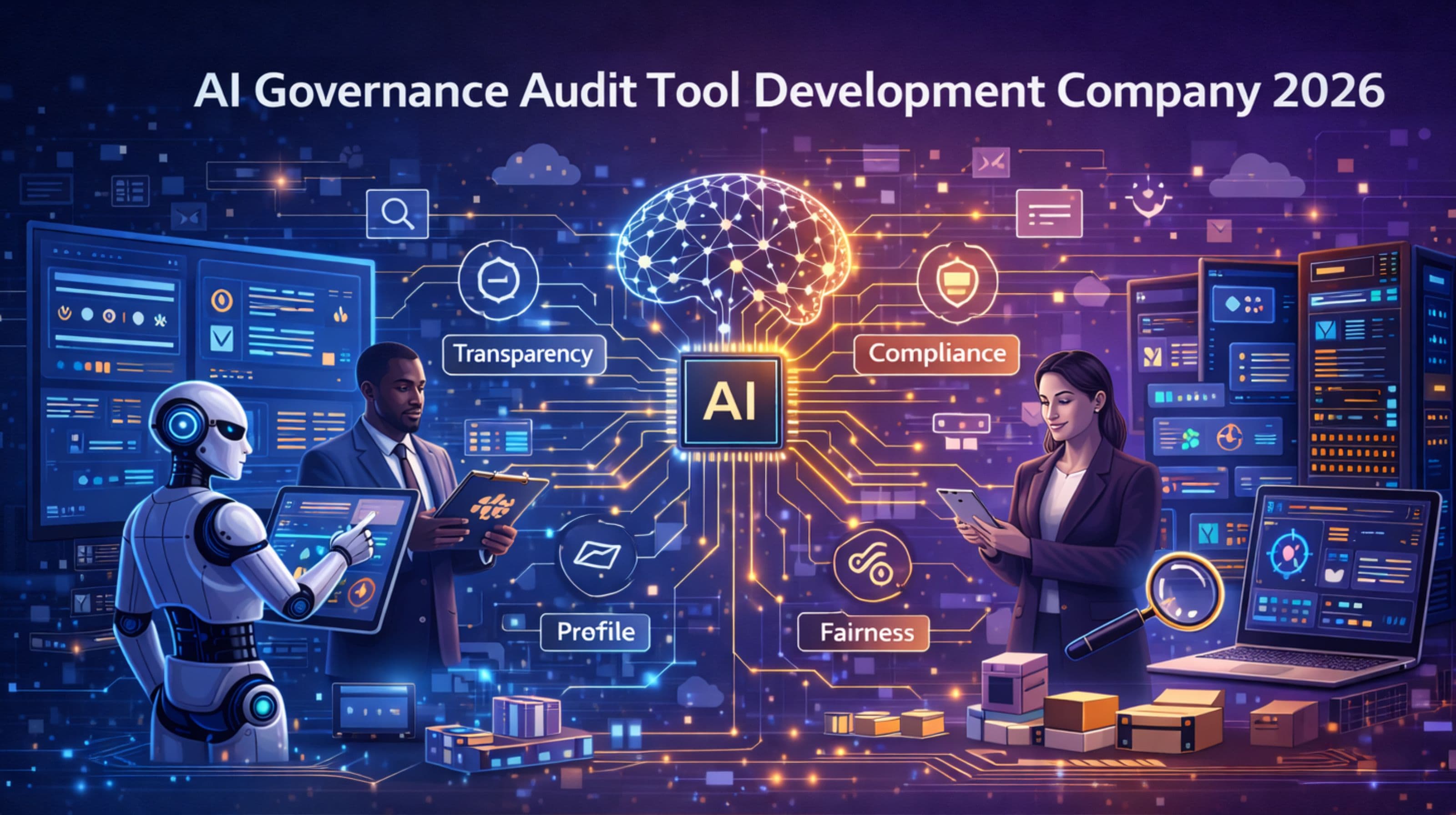
AI Governance Audit Platform Development Company 2026
Key Takeaway (TL;DR)
AI Governance Audit Platform Development Company 2026 Picking a company to build your AI governance audit platform in 2026... it's not just about checking a tech stack. The real pitfall is that the regulatory ground is
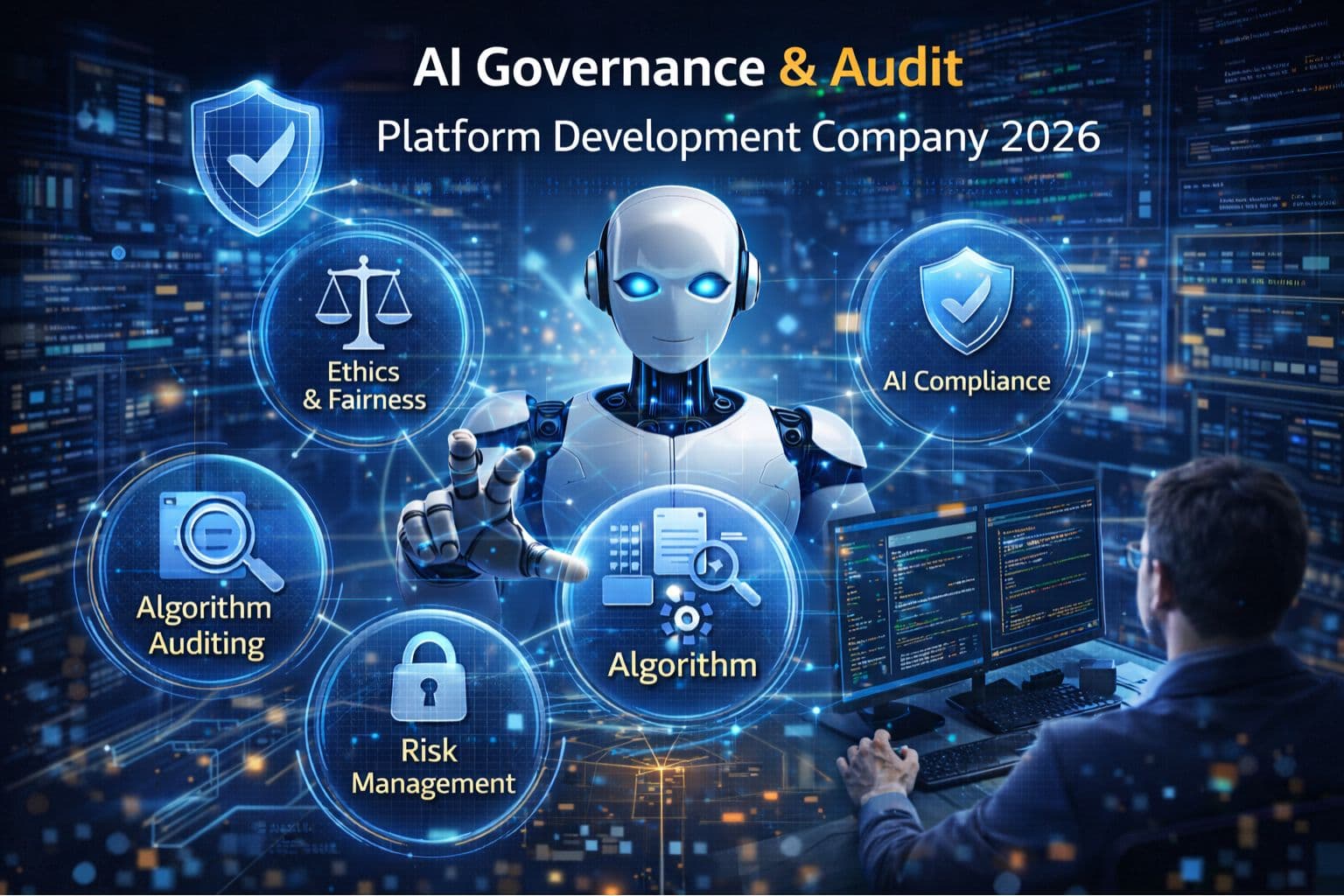
Picking a company to build your AI governance audit platform in 2026... it's not just about checking a tech stack. The real pitfall is that the regulatory ground is still shifting. You can build something perfect for today's rules, but if the technical architecture can't adapt, your whole compliance timeline falls apart. The core risk isn't the build itself—it's whether the audit logic can keep up with real-time model drift and complex data lineage. Most initial specs miss that, and then you're looking at a software deployment delay that pushes your launch back by quarters, not weeks.
What AI Governance Audit Development Actually Means
In practice, it's less about flashy dashboards. It's about creating an immutable, explainable decision trail for every single model prediction. That means deep, messy integration with your existing MLOps pipelines and data lakes. A common pain point? Teams get halfway through and realize their vendor's "out-of-the-box" compliance modules choke on the volume or speed of their real production data. Suddenly you're funding a costly re-architecture. That one operational detail—the throughput of audit logging under actual load—gets underestimated every time. You only find the bottleneck during performance testing, when it's expensive to fix.
The Reality of Live Governance Platform Projects
Live deployments often stall right at the handoff. That's when security and legal teams come in to validate if every control in the platform actually satisfies an auditor. I've seen projects where the platform technically functioned, but the audit reports it generated were useless for regulators. The evidence chain was missing proper timestamps and user context. That meant months of rework. The mistake was treating it as a pure software task, not a cross-functional compliance workflow with specific security dependencies woven in from the start.
Common Mistake: Underestimating Integration Scope
The most expensive assumption is thinking the governance platform will just sit on top of your AI stack. It doesn't. It has to be woven into model training, deployment, and monitoring cycles. That means API integrations with cloud services, version control, model registries—each with its own rate limits and authentication quirks. This creates a hidden scaling constraint. A platform that works for 10 models might completely fail at 100. Not because of the UI, but because the underlying data aggregation logic was never designed for a distributed, polyglot environment.
Need Bringmark's engineers to implement this for you?
Get a free 30-minute architecture & growth review tailored to your stack.
How to Decide on a Development Partner
The decision comes down to one thing: proven experience in production-hardening these systems, not just AI expertise. You need a team that asks the gritty questions early—about data sovereignty rules, audit log retention periods, how to handle model rollbacks in the audit trail. The scaling wall for most approaches is at the intersection of real-time explainability and data privacy. A capable partner will have a clear, if not simple, path for this, usually involving tough data architecture calls. This is exactly where execution discipline from a team that's done cross-discipline delivery becomes non-negotiable.
FAQ
q What is the biggest risk in AI governance platform development?
a Architectural misalignment. It leads to an audit trail that doesn't scale. Then you hit a deployment delay because you can't prove compliance for all your production models, and you're forced into a rebuild.
q How long does it typically take to build a custom audit platform?
a A bare-bones MVP might take 6-9 months. But full production readiness, with all integrations and legal sign-off? That often stretches to 12-18 months. It completely depends on how complex and varied your model inventory is.
q Can we use an off-the-shelf solution instead of custom development?
a Off-the-shelf works for baseline checks, but it often fails at scale or with custom model types. You end up with integration gaps that need so much customization, it turns into a development project anyway.
q What signals a development partner will fail?
a If they don't pressure-test your data lineage requirements. If they don't grill you on failure modes for audit log ingestion during peak loads. That partner is likely to deliver a platform that breaks under real pressure. That's the scenario where cross-discipline execution from a partner like bringmark is critical.
The core engineering, AI, cloud, and product development team at Bringmark Private Limited. We architect and operate production SaaS platforms, enterprise web applications, and resilient cloud infrastructure.